
Send us your samples. Get back answers you can publish. Guaranteed.
QC, library prep, sequencing and custom bioinformatics in one project. You get figures, interpretation and a written Methods section.
- Free study-design review
- Sample kit and courier paid by us
- Complications fixed at €0
- 5.6%of samples needed re-sequencing. We paid for every one.
- €0for failed libraries, low depth or reviewer re-analysis
- <1ng/µLis routine input for most samples we receive
- 3platforms: Illumina, Oxford Nanopore and PacBio
Sequencing is the easy part. We take care of the rest.
The usual provider you coordinate
- You pick the method and depth alone
- Shipping and customs are your problem
- Failed runs are billed to you
- You get a folder of FASTQ files
- Reviewer questions mean a new quote
NGS Analytics one team, one quote
- A scientist reviews your design first
- Kit, courier and customs paid by us
- Complications fixed at €0
- Figures, interpretation and a Methods section
- Re-analysis for reviewers included
Four steps. You only do the first one.
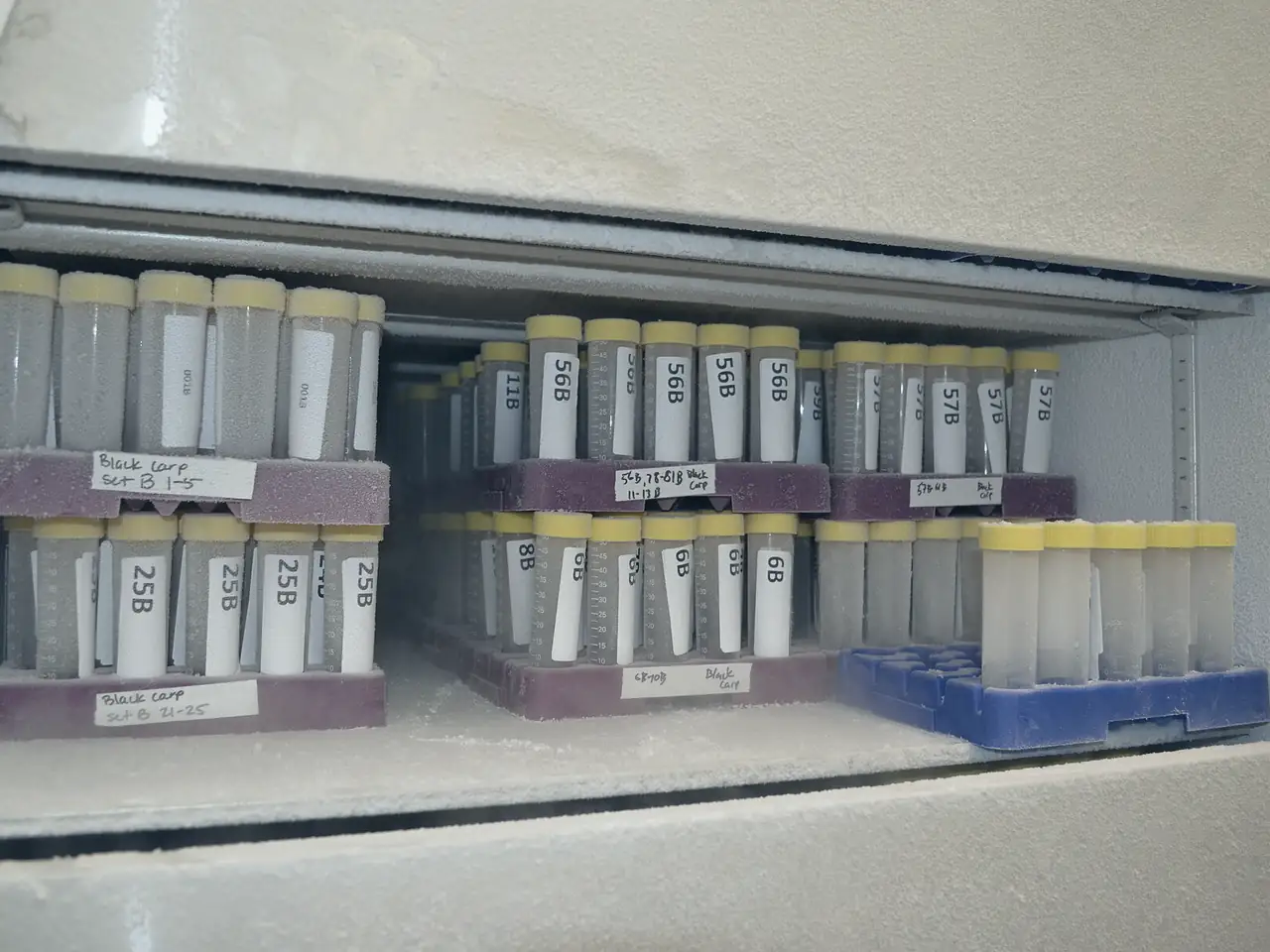
Send your samples
Email us the question. You get a design review, a fixed quote, a kit and a paid courier.
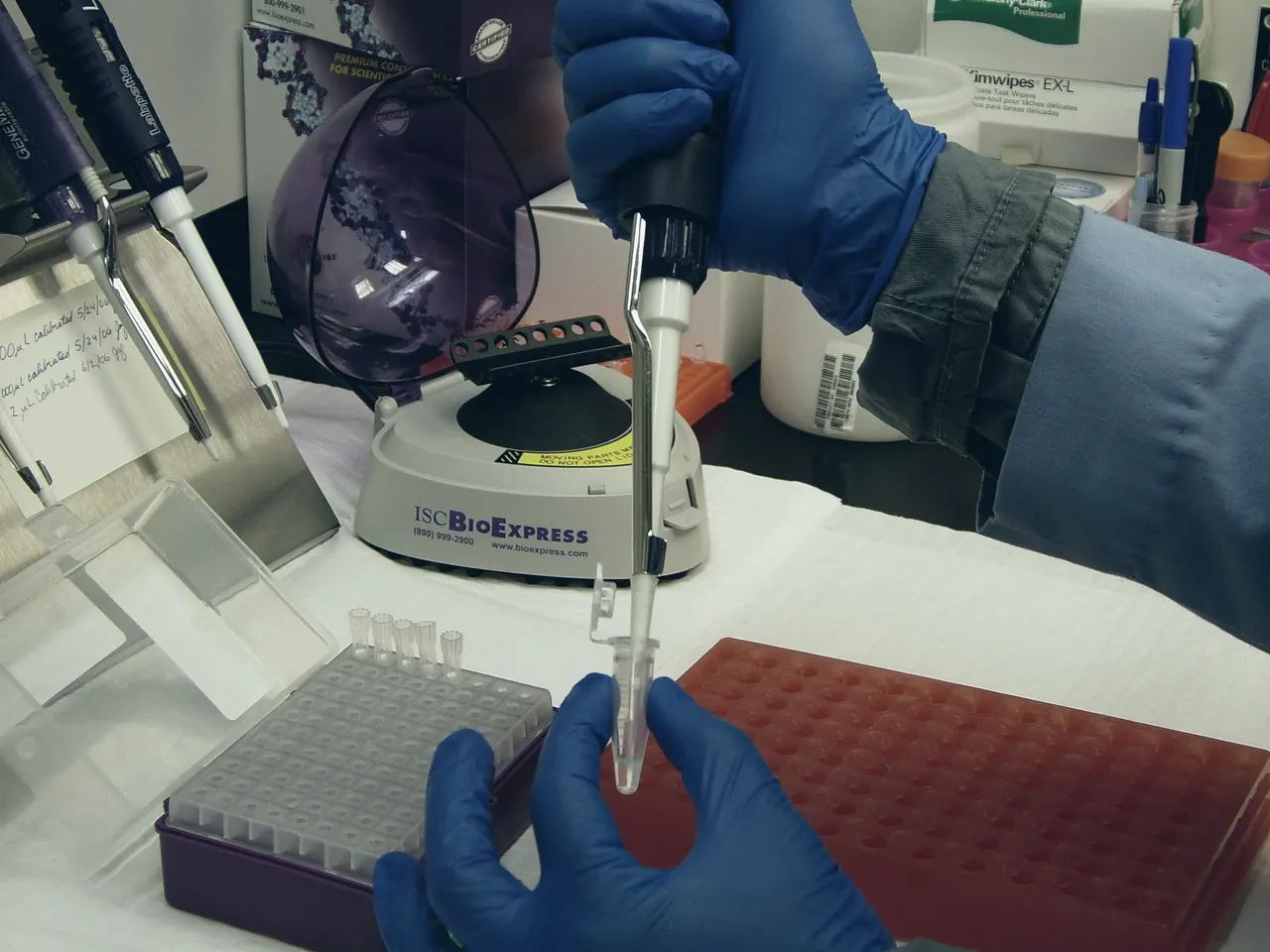
QC and library prep
Every sample is checked first. You see the QC result before library prep starts.
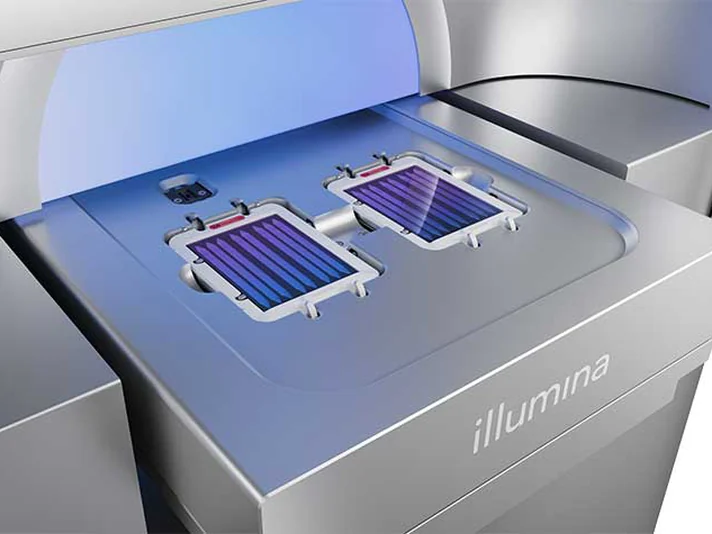
Sequencing
Illumina NovaSeq X Plus, Oxford Nanopore or PacBio, whichever fits your question.
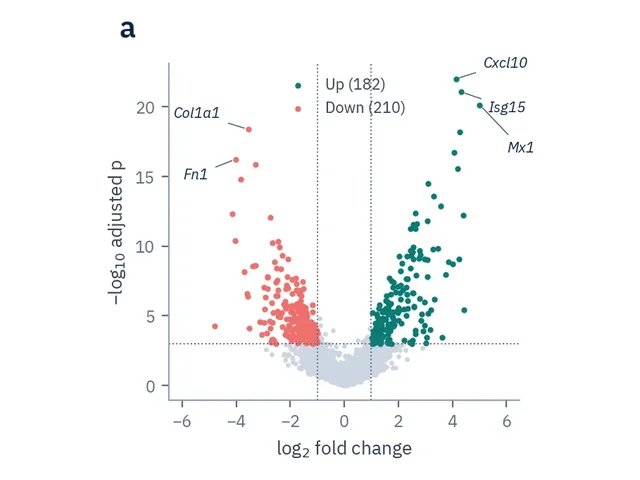
Answers you can publish
Figures, interpretation, a Methods section and a follow-up call.
A result, not a folder of files.
-
Raw data and a first analysis
We start from your sequencing data and the plan we agreed in the design call: your groups, your comparisons, your question.
-
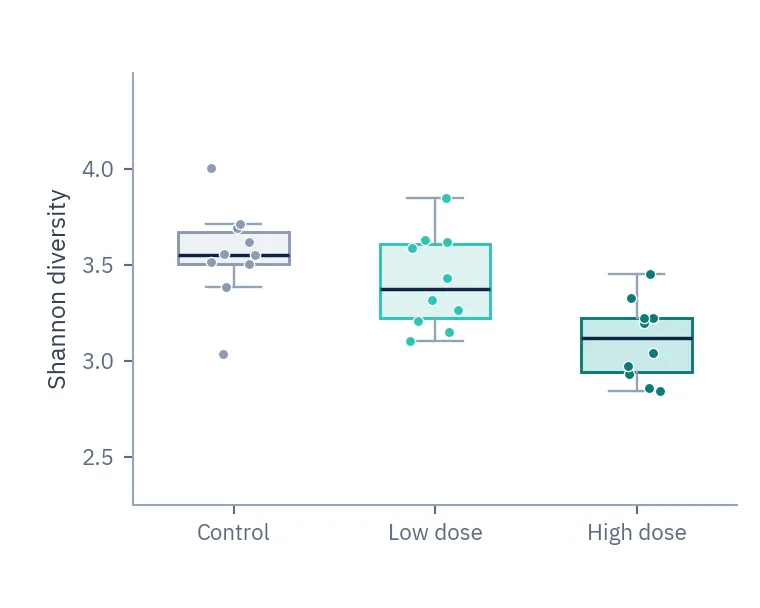
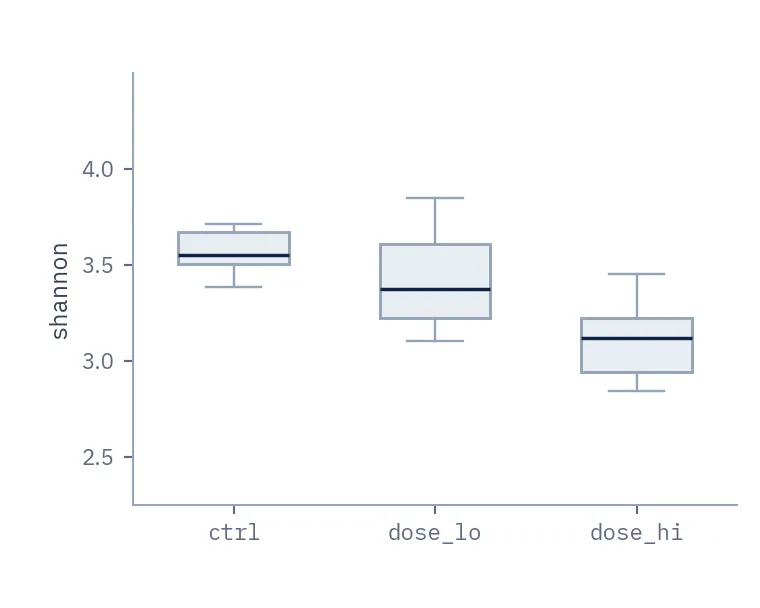
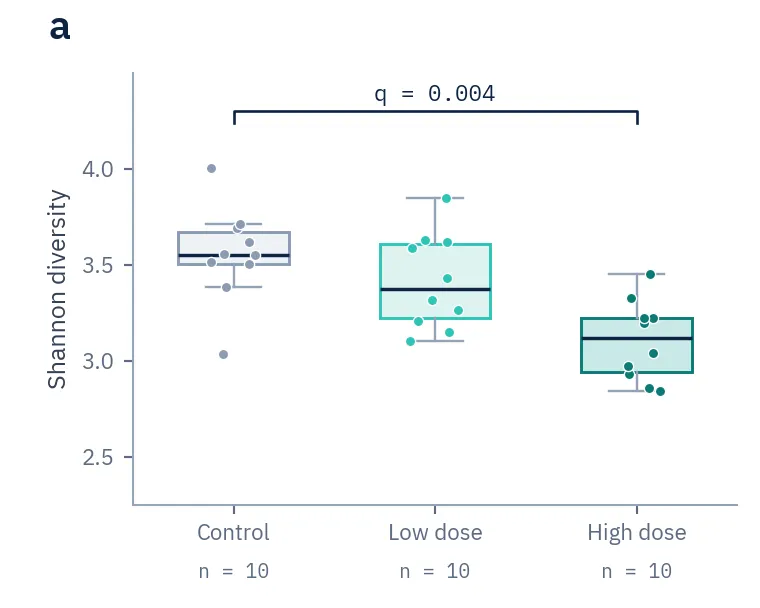 round 010203
Use our group names, and colour them
Add the statistics
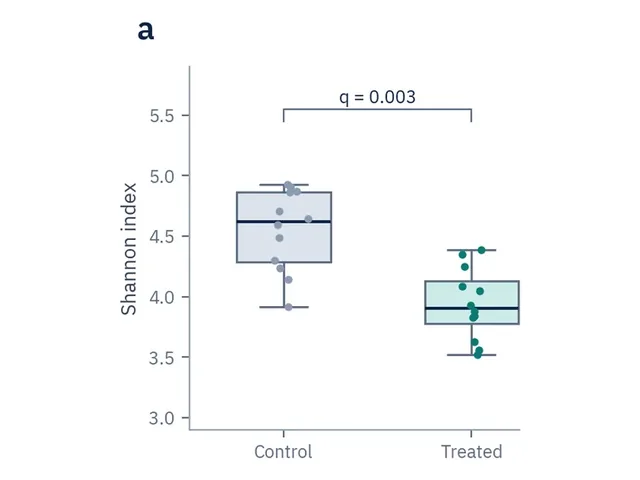
Perfect. That one goes in the paper
Rounds of changes with you
You look at the figures and tables and tell us what to change. We rerun the analysis and send them back.
As many rounds as you want -
Fig. 2 | Diversity by dose
Figures you can paste into the paper
The last round ends with publication-ready figures, tables and the matching Methods text. Take them out of the report and into your manuscript.
- Interpretation report
- Publication-ready figures
- Materials & Methods
- Results tables
- Raw and processed data
If something goes wrong, you pay €0 to fix it.
About 5.6% of samples need re-sequencing. Every one of those re-runs is paid by us, not by the researcher.
- No arguments
- No disputes
- No unexpected invoices
- Sample quality problemsWe troubleshoot, re-extract and re-ship€0.00
- Library prep failureFull redo€0.00
- Not enough sequencing depthImmediate resequencing€0.00
- Reviewer wants a different analysisCustom re-analysis€0.00
- Anything elseWe solve it. No arguments.€0.00
Covered by the 100% Complete Project Guarantee, in every project.
Start with your question. We match the method.
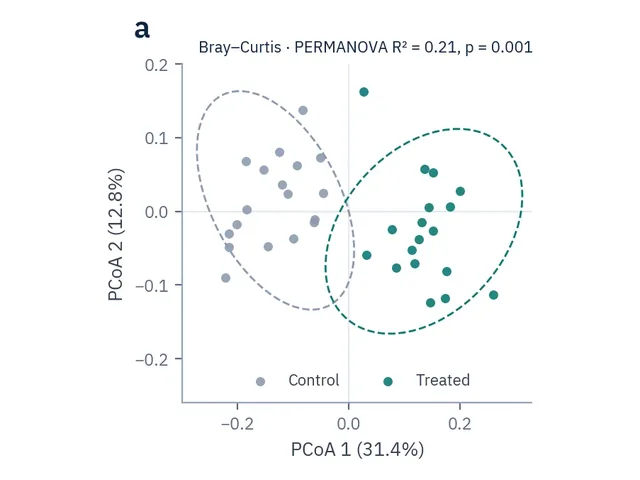
16S, ITS & 18S amplicon
Which microbes are there, and how do groups differ?
Shotgun metagenomics
Which species, strains and genes?
RNA sequencing
Which genes and pathways change?
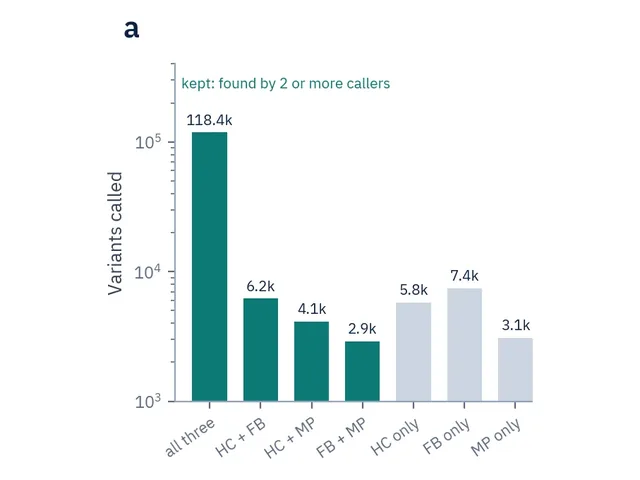
Whole genome & exome
Which variants, and which matter?
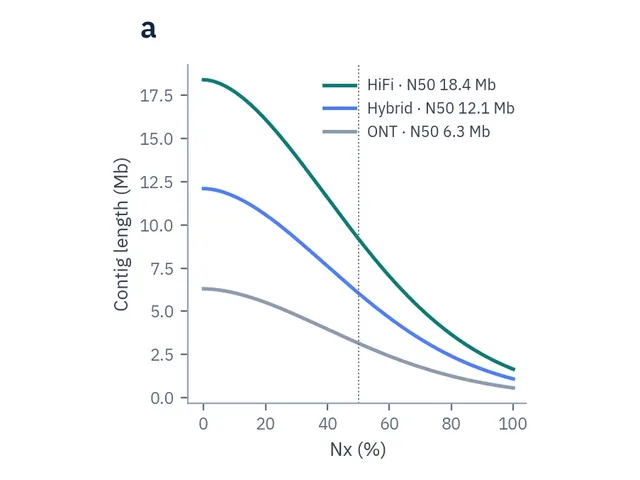
De novo assembly
A reference genome nobody has yet
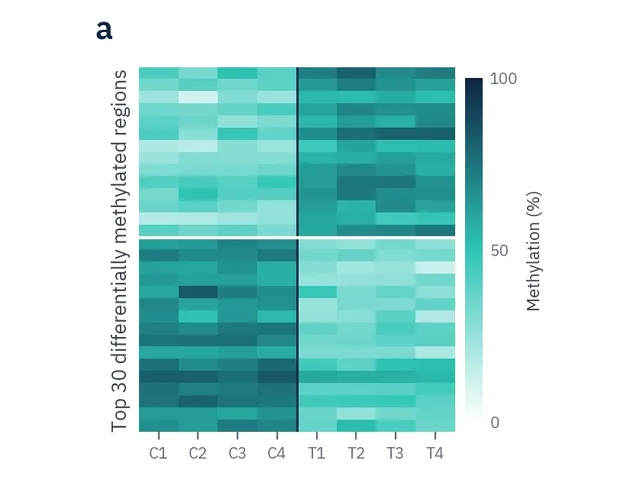
DNA methylation
Where does methylation differ?
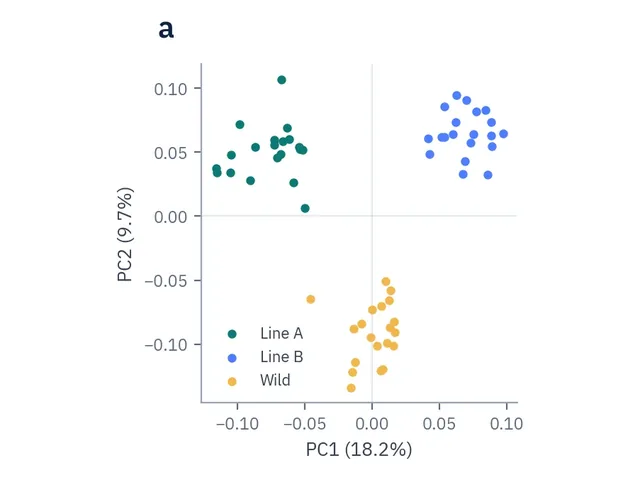
ddRAD & SNP genotyping
How are populations structured?
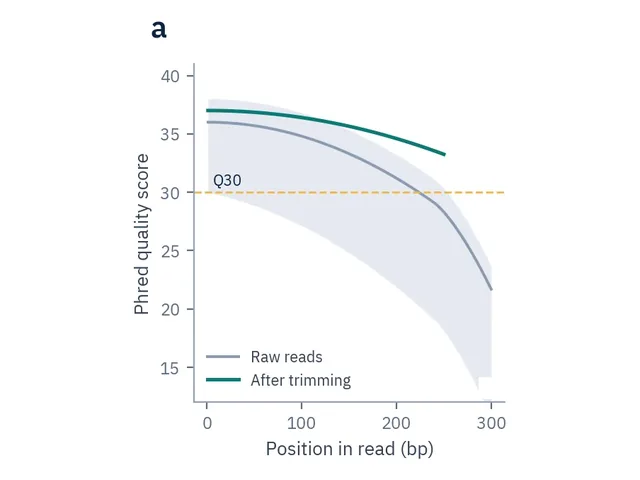
Bioinformatics only
You have the data, we find the answers
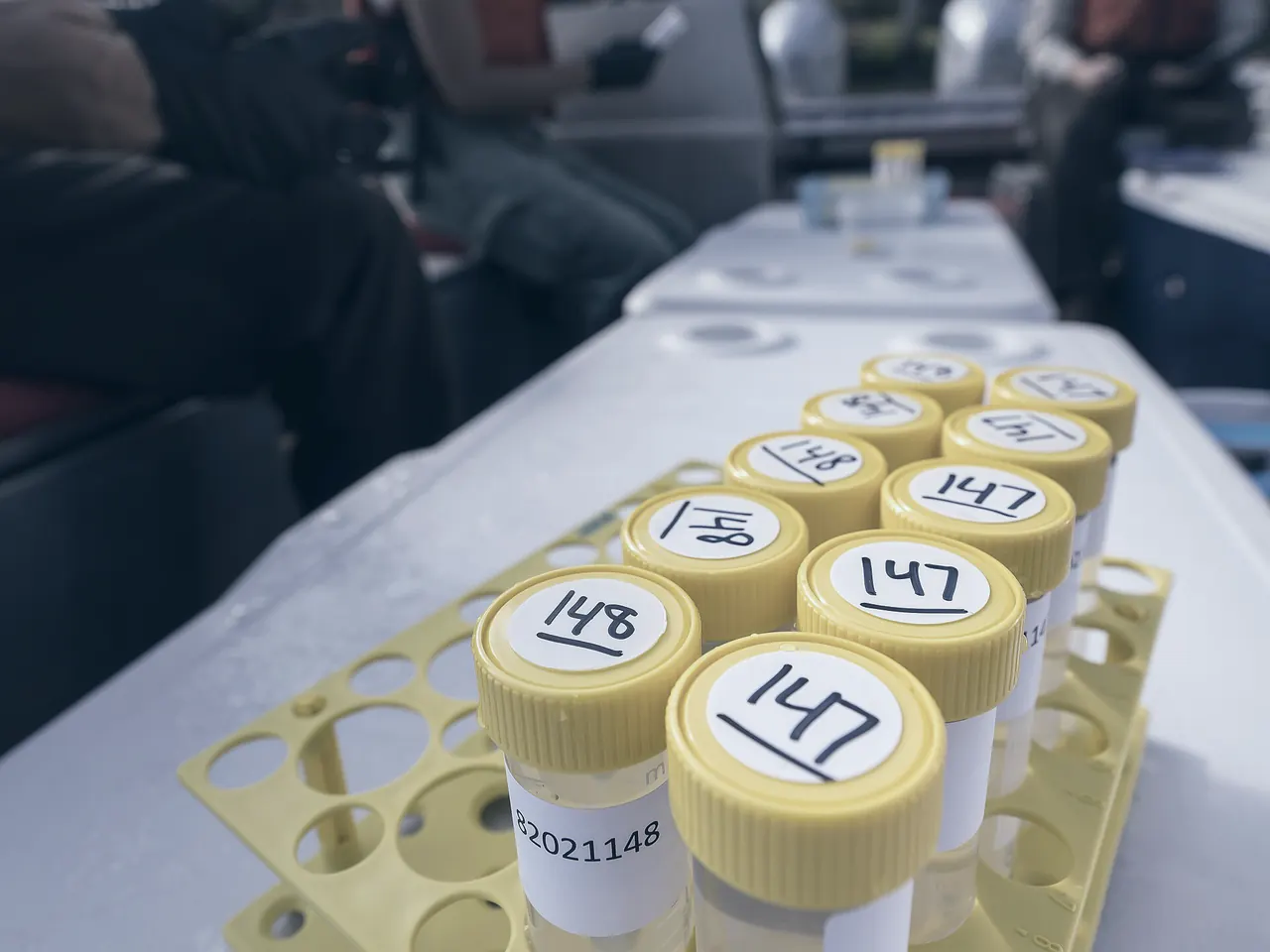
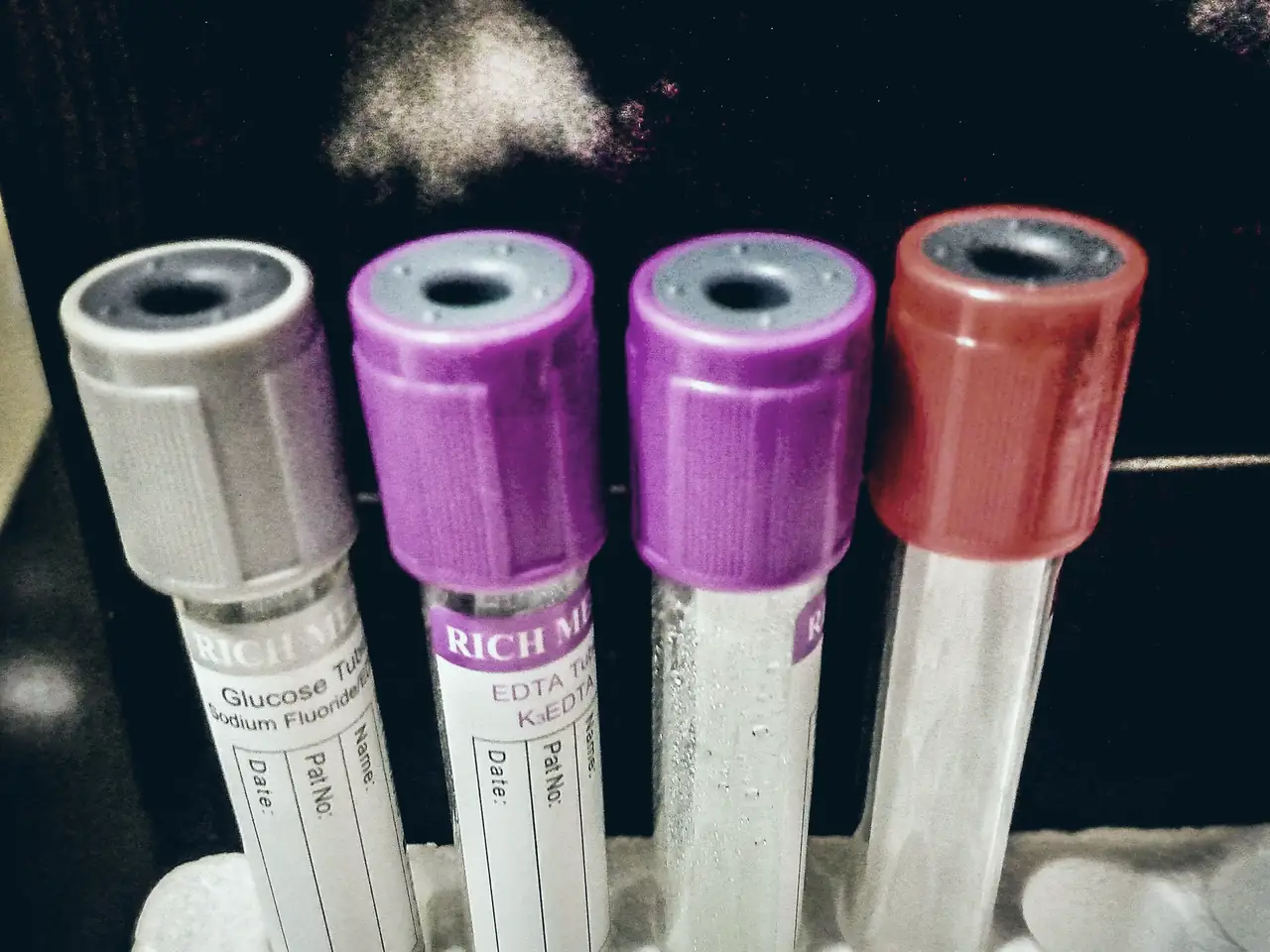
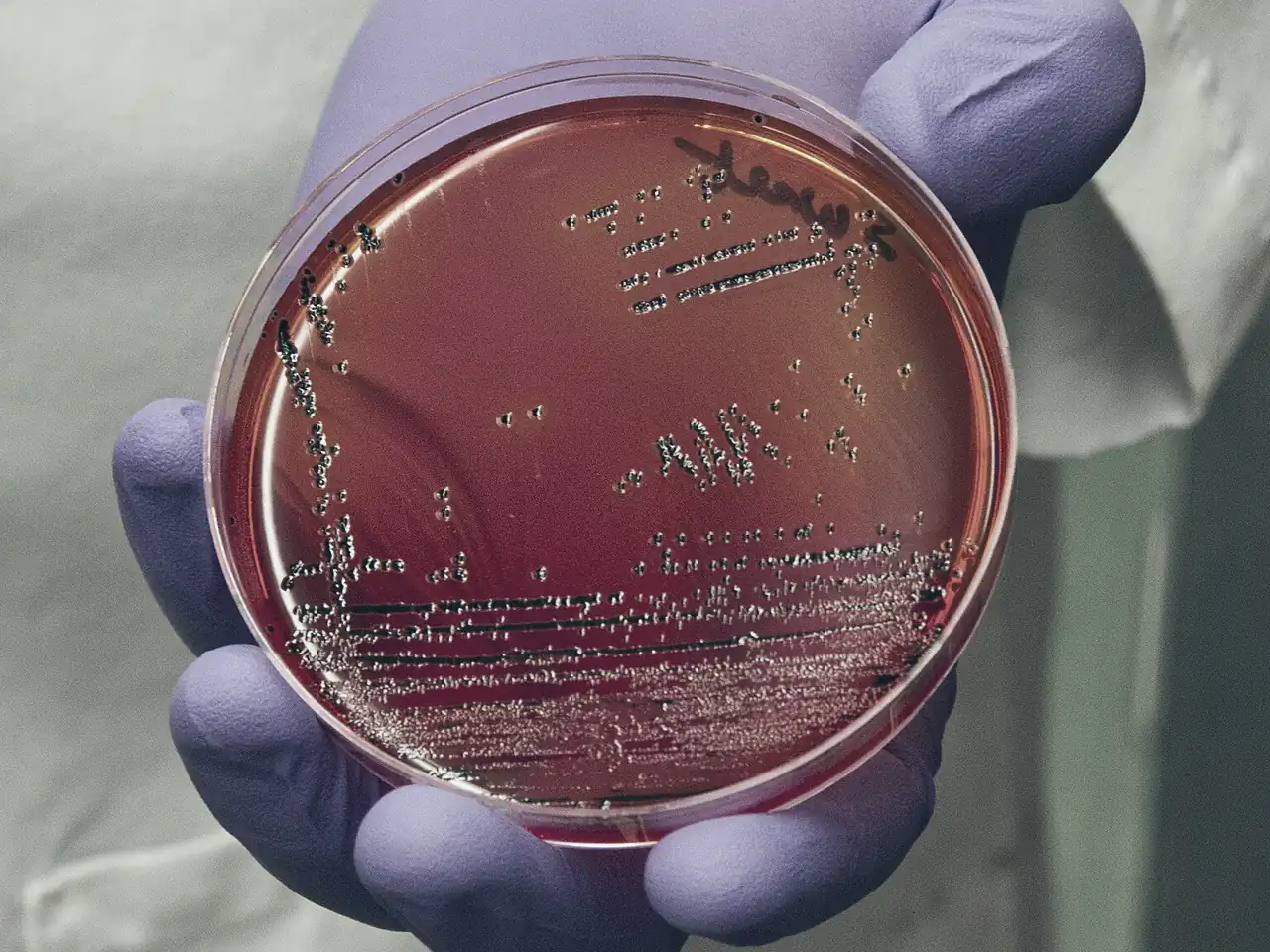
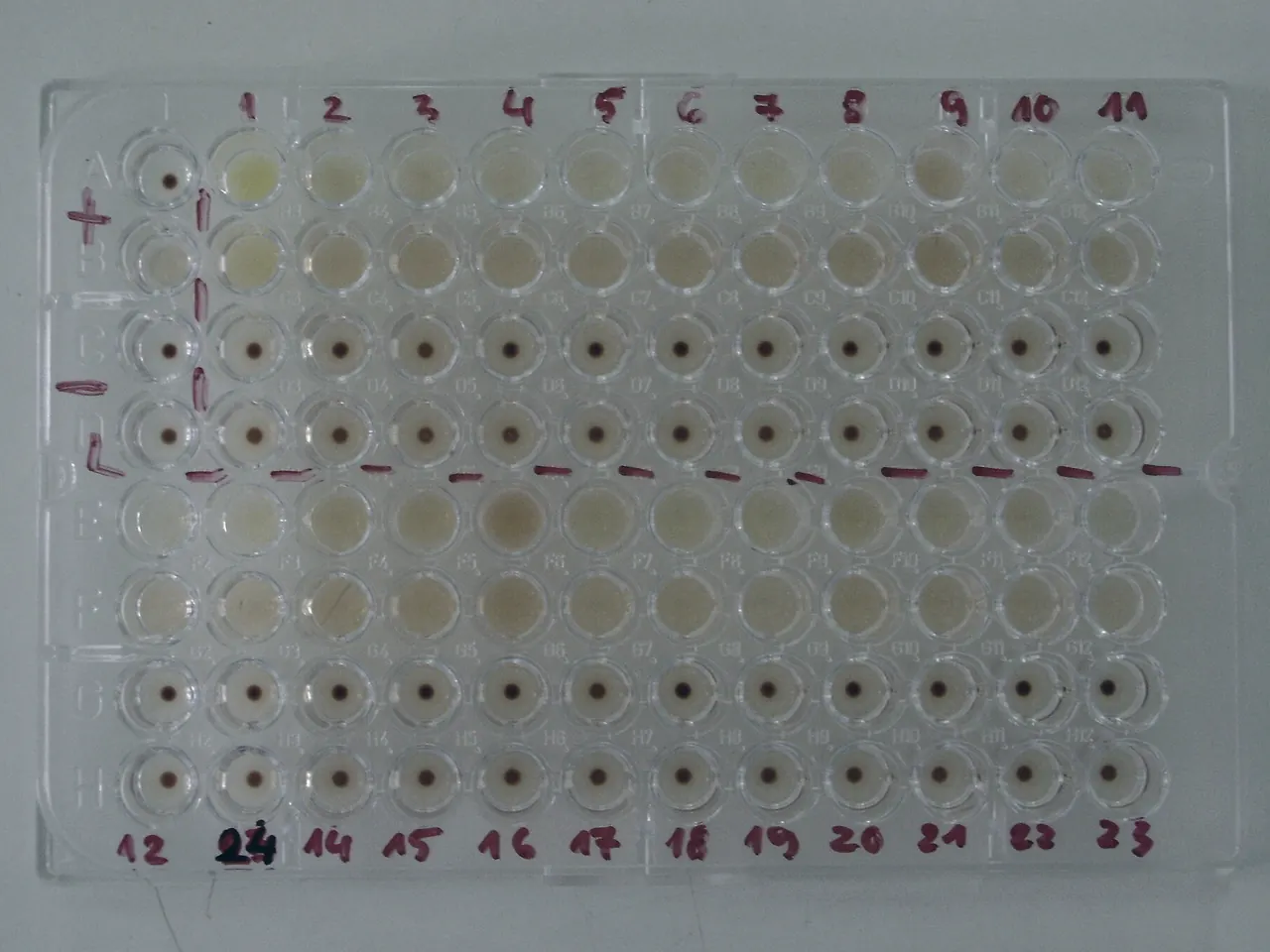
Low input, FFPE, low biomass: send them anyway.
Most samples we receive are below 1 ng/µL, and we sequence them.
- Low inputBelow 1 ng/µL is routine
- FFPEBlocks and slides, including tumour
- Low biomassRun with blanks and controls
- DegradedAncient-DNA-style extraction
What “whatever it takes” looks like.
-
Extraction below spec, project upgraded
The first isolation didn’t yield enough high-molecular-weight DNA. We re-isolated for free and moved the project to PacBio HiFi, absorbing the difference.
Extra cost to the lab€0 -
Too dilute to measure, sequenced anyway
The DNA sat below what a fluorometer can read. We ran our low-input recovery workflow and sequenced the samples at no charge.
Extra cost to the lab€0 -
Extra extractions, kept off the bill
Several samples needed another extraction before library prep. We ran them and left them off the invoice.
Extra cost to the lab€0
What does a project cost?
Every project gets a fixed quote after the free design review. It covers sequencing, analysis, figures, the Methods text and the guarantee, so the quote is the invoice.
My samples are low input or degraded. Should I send them?
Yes. Most samples we receive are below 1 ng/µL, and our recovery pipelines save samples other labs discard.
Which sequencing platform will you use?
The one that fits your question. We run projects on Illumina, Oxford Nanopore and PacBio, and often price the same project on two platforms side by side.
Do I need a bioinformatician?
No. Custom analysis, figures and the Methods text are part of every project. If you have one, they get all results as tables and the processed data to work with.
Can you work with human and clinical samples?
Yes. We are an EU company, work under GDPR and sign a data processing agreement before any data moves.
I already have data. Can you only do the analysis?
Yes. Bioinformatics only covers data you already have, from any provider or public archive.
Tell us about your samples.
One email starts the project. A scientist reads it and replies.
- info@ngsalytics.com Projects, samples and invoices
What to put in your first email
- What your samples are, and how many you have
- The question you want the data to answer
- Your deadline: a paper, a grant or a reviewer
- Anything unusual: low input, FFPE, low biomass